WALKABILITY · CULTURE · LANDSCAPE
Hotels near Nordic attractions, chosen by context.
A good base makes your days feel easier. Decide whether you want to step into a historic quarter, hop on public transport, wake beside the water or trade the city for a nearby stretch of nature.

Begin with the days you want to have
Make a short list of the places that matter most to you: museums, historic districts, architecture, waterfronts, parks or a particular cultural attraction. Then consider how you’d like to move between them. In Copenhagen, Stockholm, Oslo and Helsinki, different neighborhoods offer distinct mixes of urban life, water and access to cultural venues. Bergen and Stavanger connect city experiences with nearby dramatic landscapes; Tromsø is a northern city with its own Arctic setting. The right base depends on the balance you want, not on one universal “best” area.
Walking access is appealing, but look beyond a straight-line estimate. Streets, hills, bridges, weather and the routes you actually want can shape how a journey feels. Public transport may broaden your options, especially for attractions spread across a city. Check current local transit information and accessibility details through official sources. We don’t provide fixed journey times or claim a particular attraction is within a set distance, because routes and conditions vary.
City center or quieter neighborhood?
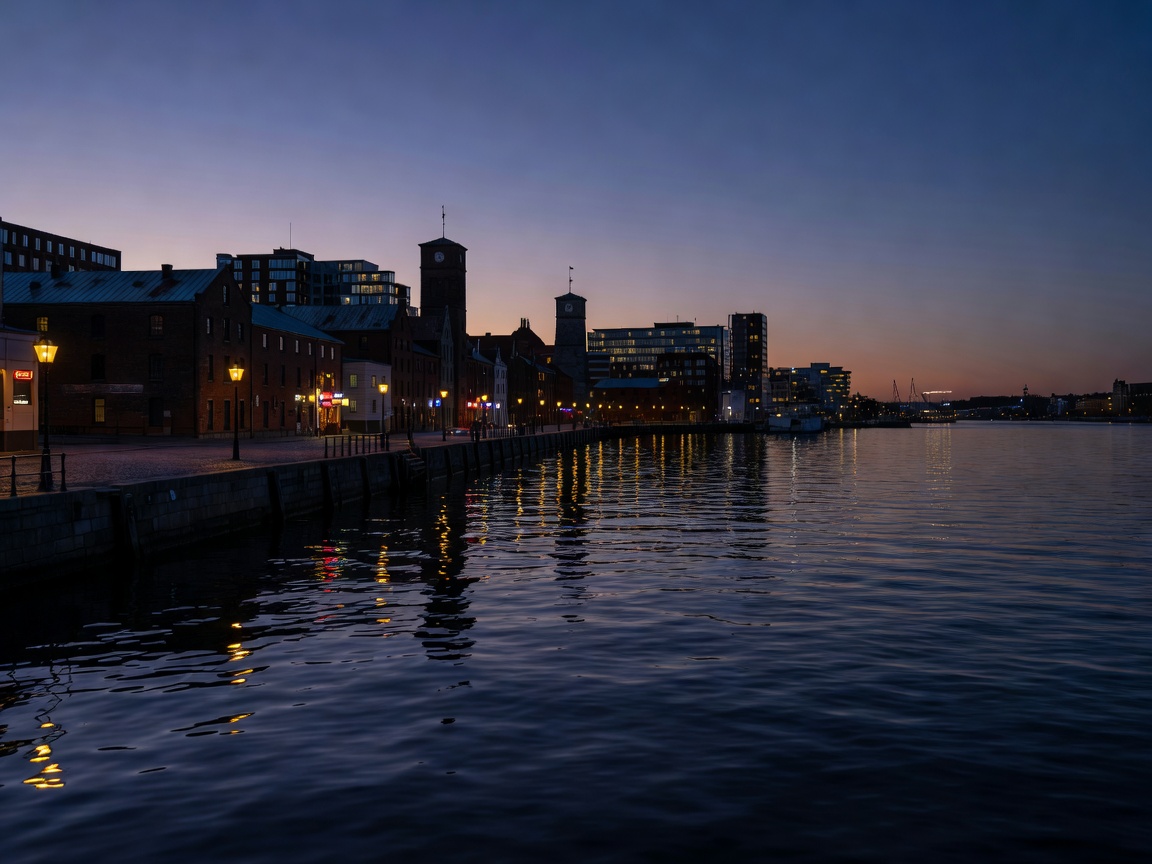
A central location can reduce everyday transit decisions and make a short visit feel full. It can also bring more street activity and a busier atmosphere. A quieter neighborhood may offer a more residential mood and still be well connected, but you’ll want to understand the current transit options and how late you’ll be returning. Waterfront hotels may bring open views and a strong relationship with the city’s geography; wind, access and surrounding activity differ widely.
Architecture lovers might choose an area where historic buildings and contemporary design sit close together. Museum-focused travelers can think about opening days and how several visits could fit into one itinerary, checking each venue’s official information for current details. Nature-minded guests may prefer a city edge or a smaller town that makes trails, fjords or forest landscapes easier to reach. A day trip can be a lovely addition, but account for transfers, seasonality and your appetite for travel time.
Nearby nature and regional contrast
Nordic city breaks aren’t all alike. Copenhagen’s urban experience differs from Stockholm’s island geography, Oslo’s position beside the Oslofjord, or Helsinki’s coastal setting. Bergen is framed by mountains and water; Iceland’s Reykjavík is a capital with a landscape context unlike mainland Scandinavia. In northern Norway, Swedish Lapland and Finnish Lapland, a hotel’s relationship with wilderness may matter more than a conventional city center. These differences affect what “nearby” means and how you should plan excursions.
For attractions beyond town—fjords, forest areas, islands or coastal viewpoints—check access with official destination and transport sources. Seasonal services and weather may alter plans. A map is not a substitute for current local travel information, and this guide does not provide maps or route directions.
Choose your base by the mood of the trip
Culture on your doorstep
Can make short stays easy to organize; consider noise, activity and the neighborhood’s character.
A strong sense of setting
May bring open views and a distinctive city feel; check practical access and nearby services.
More room outdoors
Good for landscape-focused days, with transport, weather and seasonal access to think through.
Practical ways to compare hotels
Use the exact neighborhood name and the hotel’s own address when checking current public transport. Compare routes for the places you actually expect to visit, not just a single headline attraction. Read recent official service information for local transit and each venue, especially around holidays or seasonal closures. If a hotel describes itself as “central,” check what that means for your priorities: a nightlife district, a museum quarter and a transport hub all create different stays.
Consider arrival and departure too. A property can be convenient for sightseeing but awkward with luggage or a late arrival. Check reception arrangements with the hotel, as well as step-free access, lifts and room features if these matter. Travelers with mobility requirements should confirm the full route and property details directly, including any historic-building limitations. If quiet matters, ask about room location and likely neighborhood activity rather than assuming a residential address guarantees silence.
Advantages and trade-offs
Choosing by location can save effort and help you experience more of a neighborhood. A central hotel may be practical for a brief cultural trip; a nature-focused property can make outdoor time feel central rather than squeezed between city outings. The trade-offs are that centrality can come with crowds or noise, while remote stays need more transport planning. Access, opening times, event schedules and transport arrangements change, so check current official details before you build an itinerary around them.
Good for
- First-time city visitors balancing museums, food and neighborhood wandering.
- Travelers who want a quieter base with reliable connections to town.
- Guests building a trip around coastline, fjords, forests or cultural places.
What to know
- “Near” is personal: test a hotel’s location against your own plans and mobility needs.
- Public transport, attraction access and schedules are subject to change.
- Confirm access, address details and current opening information with official sources.

A NEIGHBORHOOD OR ATTRACTION QUESTION?
Send an editorial note our way.
For current access or opening details, consult the official attraction or transport provider.