SAUNA · STILLNESS · OUTDOORS
Nordic wellness retreats for slower days.
A restorative-feeling trip doesn’t need a complicated programme. In the Nordic region, wellness can mean a sauna, a walk by water, a quiet room and enough space in the day to do very little.
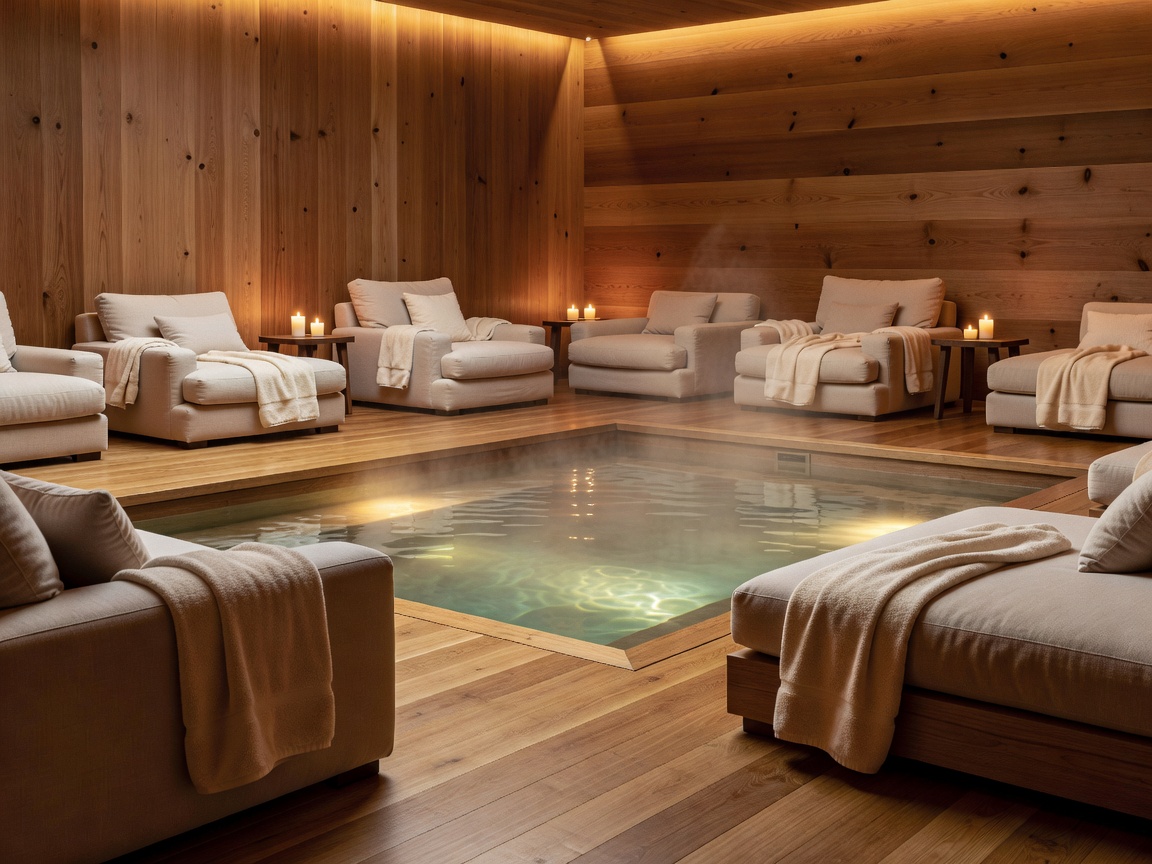
Sauna is a practice, not a hotel amenity label
Sauna traditions are an important part of everyday culture in Finland and are present in different forms throughout the wider Nordic region. A hotel may offer a dedicated sauna, a shared bathing area or no sauna at all; the word alone doesn’t tell you how it works. Check whether access is included, whether sessions are shared or private, what to bring and whether advance arrangements are needed. If you’re unsure about heat exposure or have a health concern, seek advice from a qualified professional and follow the venue’s guidance.
Wellness hotels can combine spa facilities with quiet lounges, pools, treatments, fitness spaces or outdoor access, but offerings differ widely. We don’t assume any particular service from a property’s marketing language. Confirm current facilities directly with the hotel, including age rules, accessibility, booking requirements and seasonal changes. A simple stay with a good place to rest can be more fitting than a full schedule.
Different landscapes, different rhythms
In Finland, a lake or forest setting can make it easy to imagine a sauna-and-outdoors rhythm, while Helsinki offers an urban version of wellbeing alongside culture and waterfront walks. These are broad possibilities, not a description of every hotel. Sweden’s wellness stays range from urban spa settings to countryside and archipelago escapes; the setting often shapes whether a day feels social, active or quiet.
Norway’s coast and mountain landscapes may invite a blend of outdoor time and indoor warmth, though weather, access and terrain matter. Denmark’s flatter landscapes and coastal towns can suit relaxed cycling, shoreline walks and a slower city break. Iceland’s geothermal bathing culture is a distinctive part of the country’s visitor experience, but access rules and facilities vary; don’t assume that a hotel itself has thermal bathing. Across the region, local customs and individual venues differ.
Think of the Nordic region broadly: Denmark, Sweden and Norway are commonly grouped as Scandinavia, while Finland and Iceland are Nordic countries too. Faroe Islands, Greenland and Åland add other island contexts, with travel logistics and weather that call for their own planning.
Forest, lake or coast?
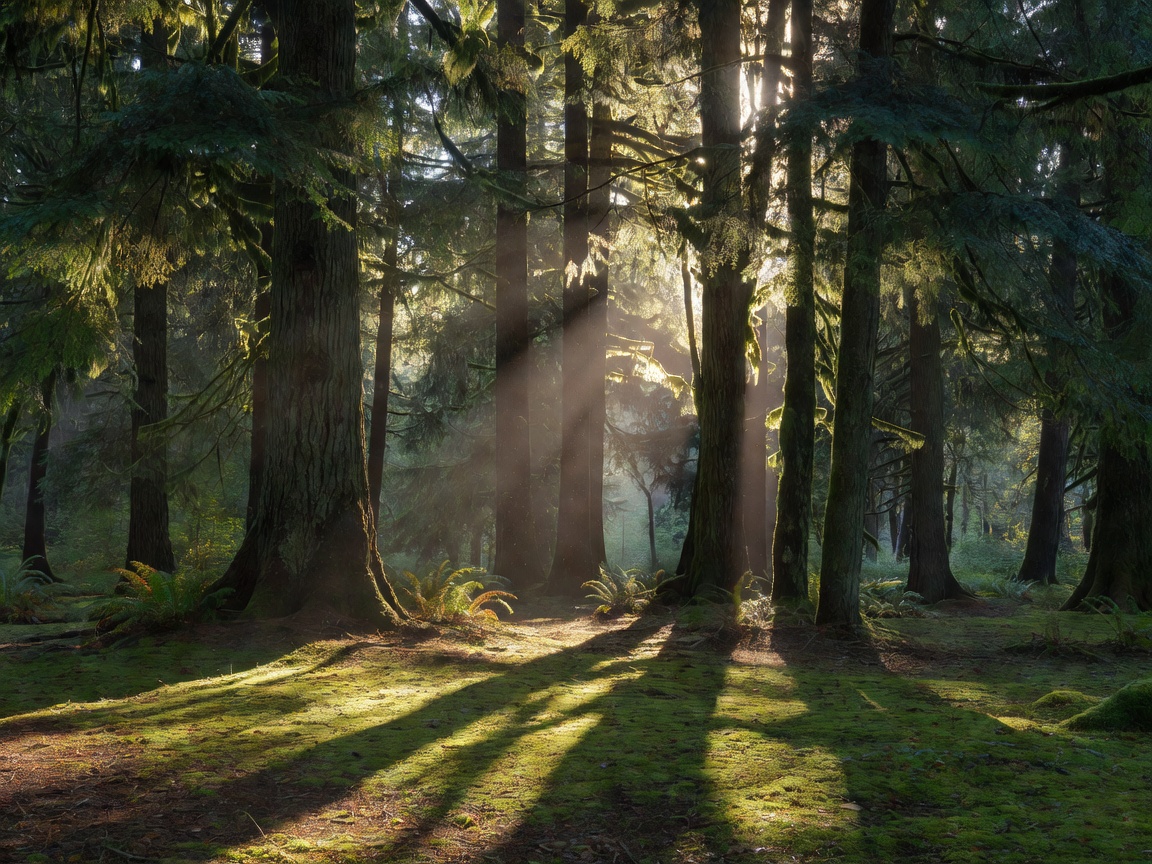
A forest setting offers a sense of enclosure and easy access to trails where available. Lakes can make a stay feel especially tied to water, but swimming conditions, access and seasonal services are site-specific. Coastal retreats bring open views and fresh air, with wind and changeable weather part of the experience. A city wellness hotel may be the most practical option if you want cultural activities alongside time to unwind. Choose the setting that will still work for you if outdoor plans need to change.
Match the setting to your pace
Wellbeing between outings
Works for travelers who want wellness time without giving up museums, restaurants or public transport.
Space to be outdoors
Can suit quiet walks and unhurried days; check transport and the availability of nearby services.
Air and open views
A landscape-led option, best chosen with realistic expectations about weather and exposure.
Practical considerations before you book
Ask what “spa access” actually includes and whether use needs to be reserved. Check whether a sauna is mixed, private, clothing-optional or governed by another local practice; don’t assume one format. Find out if towels, robes or swimwear are provided, and whether quieter areas have specific access arrangements. If facilities are important to your trip, confirm that they’ll be operating on your dates rather than relying on an old listing.
Consider how you’ll get to the property and what a typical day could look like. A remote retreat might have limited transport connections, dining options or nearby activities. A town-based stay can make it easier to change plans, though it may feel less secluded. Check cancellation conditions and seasonal transport information with official sources. Pack for outdoor conditions even if the spa is your main reason for going.
Advantages and trade-offs
Wellness-led stays can encourage slower routines and put nature, warmth and rest near the centre of a trip. They may also make it easier to build quiet time into a busy itinerary. The trade-off is that a spa can become the main focus whether or not that suits you; facilities may have extra rules or fees, and remote locations need more logistics. No hotel stay should be treated as medical care or a guaranteed route to a health outcome.
Good for
- Travelers who want time for sauna, quiet spaces or unhurried outdoor routines.
- People pairing a city break with a restorative pause.
- Guests who enjoy nature but want a comfortable place to return to.
What to know
- Facilities, access rules and opening arrangements differ by venue and can change.
- Nordic wellness is not one uniform tradition; regional context matters.
- Ask direct questions about access, mobility needs, costs and what is included.
A QUESTION ABOUT A WELLNESS STAY?
Let’s talk through the practicalities.
We can help with editorial questions, not reservations or medical advice.