MATERIALS · LIGHT · PLACE
Scandinavian design hotels, with a sense of place.
A thoughtful design hotel is more than a pale room and a clean-lined chair. It’s the way a building meets its surroundings, the feeling of its materials, and whether the space makes everyday things easy.
What people mean by Scandinavian design
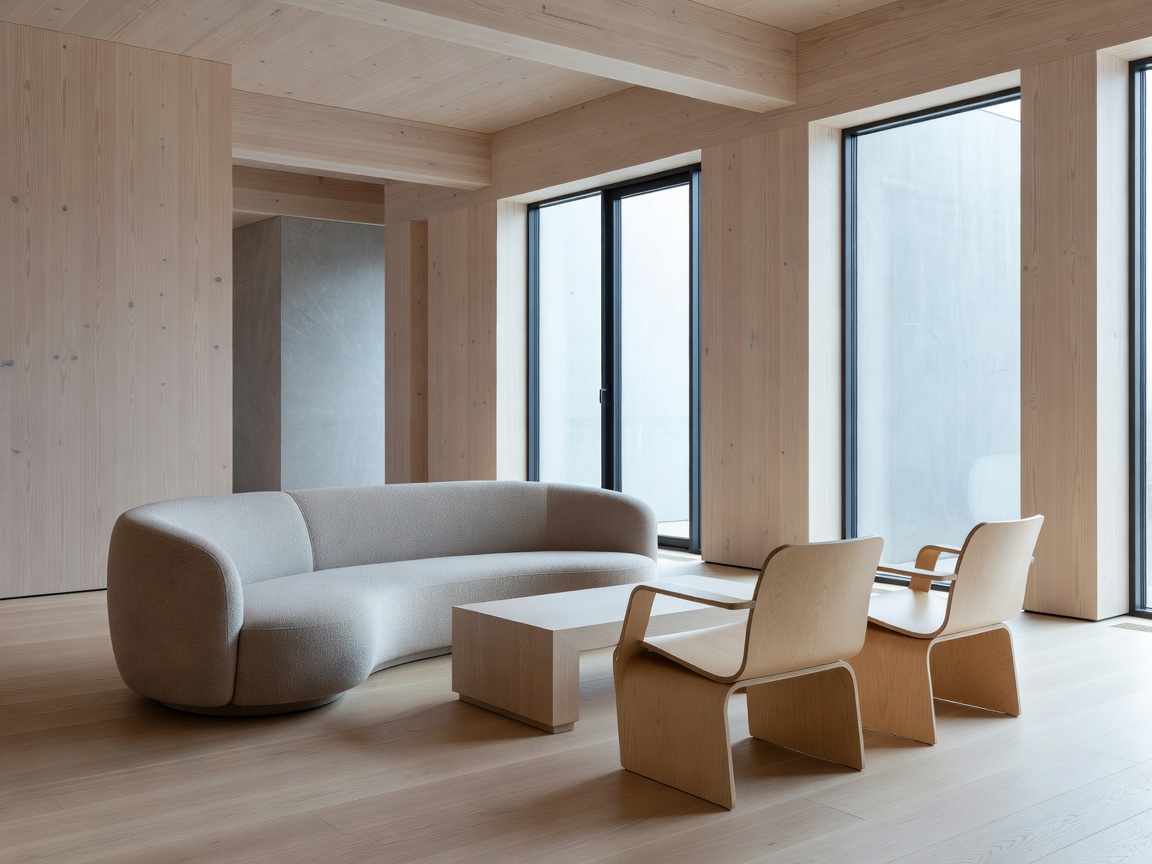
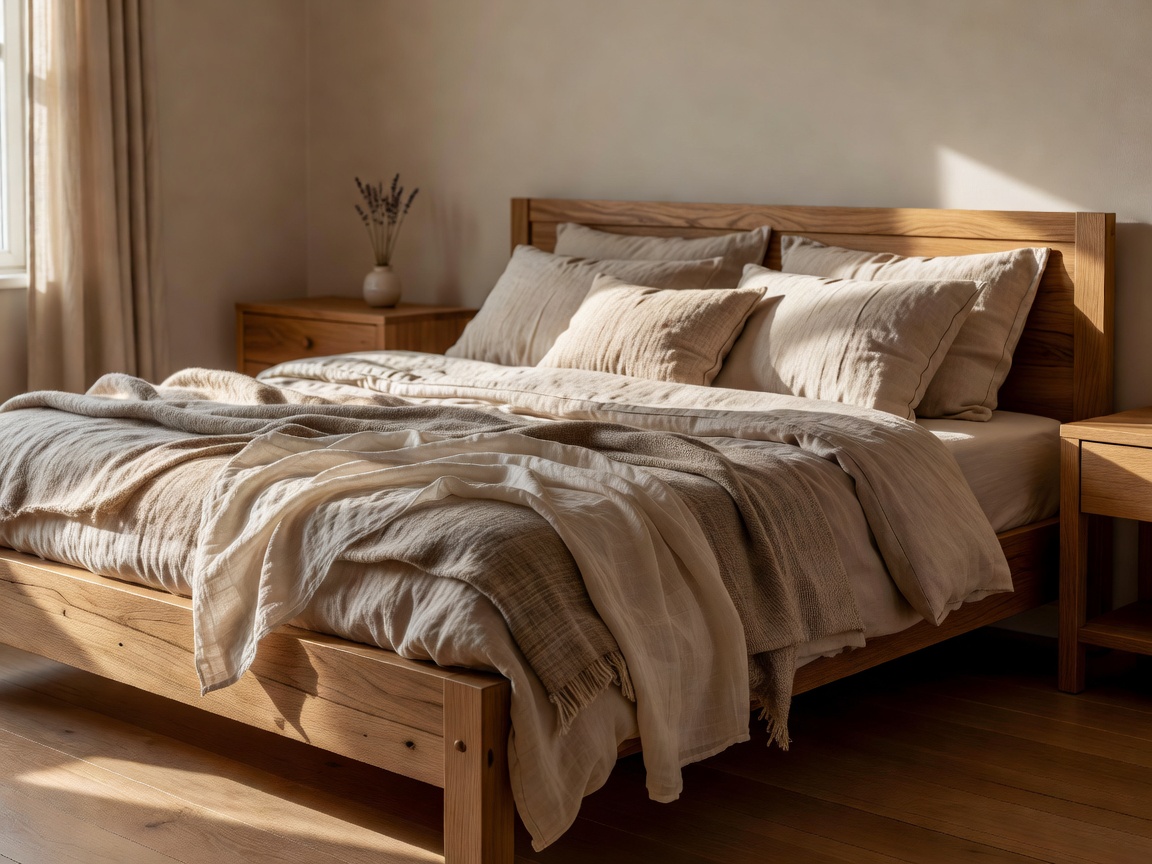
There isn’t one official look. The phrase often points to an approach that values function, considered materials, useful simplicity and a comfortable relationship with light. In a hotel, those ideas might show up as an intuitive room layout, a sturdy oak table, wool underfoot, linen bedding or a window placed to frame a view. The point isn’t to remove every object; it’s to make the choices feel deliberate.
Timber adds warmth and can connect a room to local building traditions. Stone, tile and ceramic bring a quieter, more tactile counterpoint. Wool and linen soften acoustics and help a space feel lived-in. Natural light matters, but its quality changes with season and latitude, so a well-considered room needs comfortable lighting after dusk too. Look for a balance between visual calm and practical details such as reading lights, storage and places to sit.
Three neighboring design conversations
Danish design is often discussed through furniture craft, proportion and an enduring interest in objects that work beautifully in daily life. Copenhagen gives visitors a distinctly urban setting, while coastal Denmark and islands such as Bornholm offer another relationship with landscape and local building materials. These are useful reference points, not rules that every hotel follows.
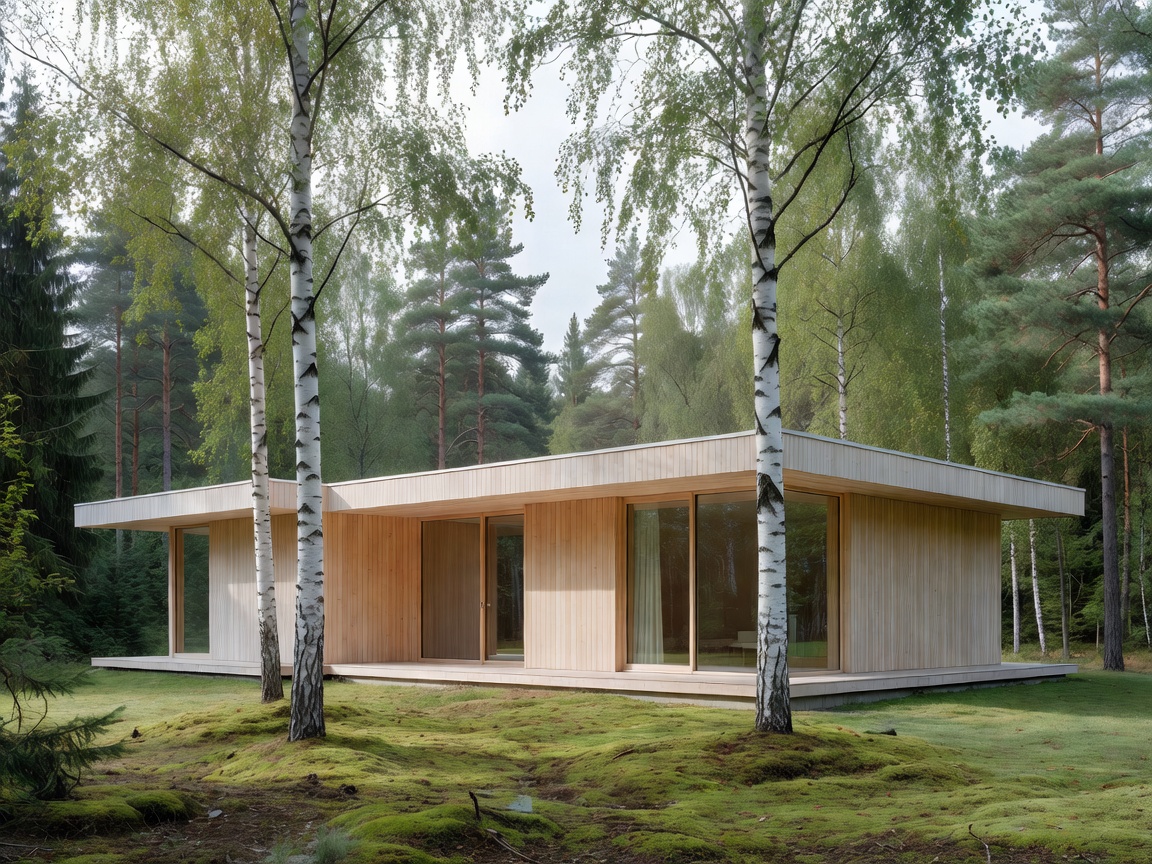
Swedish interiors can range from city apartments and historic buildings to timber-led countryside retreats. Pale woods and light-conscious rooms are familiar elements in some settings, but Swedish design is varied, regional and contemporary as well as traditional. Stockholm’s hotel character differs from a forest-side stay or a coastal base near Gothenburg.
Norwegian architecture has a particularly compelling conversation with terrain: steep slopes, fjords, coastlines and changing weather. That can make siting and views central to a building’s experience. In Oslo or Bergen, city context matters; in a mountain or coastal property, the structure may be read against a much larger landscape. Not every Norwegian hotel is a remote cabin, of course.
City hotel, coast or countryside?
City design hotels are handy when architecture, museums, dining and public transport are part of the trip. Older buildings can bring character, although rooms may be less uniform in shape and size. A countryside retreat can put quiet, walking and landscape first, but guests should check how they’ll arrive and what is available nearby. Coastal properties invite attention to wind, weather and views; a beautiful outlook may also mean a more exposed setting. Mountain stays can make the building itself feel like shelter, with access and seasonal conditions worth checking carefully.
A quick design comparison
Culture close by
Often convenient for museums and transit; urban surroundings can mean more activity and less solitude.
Open horizons
Landscape can lead the experience. Check seasonal access and how much you want to rely on the weather.
Room to reset
Quiet and nature can be the draw; transport, dining and daily plans may need more thought.
What to look for when choosing
Start with the location rather than a mood board. Study the neighborhood or landscape, then read the room and property descriptions on the official site. Look for clues about materials, building history, accessibility, shared spaces and how the hotel relates to its surroundings. Photographs can show finish and atmosphere, but they may not answer practical questions about lighting, storage, noise or step-free access; ask the property directly if those details matter to your stay.
Minimalism can feel restful, though it isn’t automatically comfortable. A room with too little storage or nowhere to place a bag can be frustrating. Natural materials have texture and variation, which some travelers love and others prefer to keep at a distance. Historic buildings may have quirks that are part of their character, but those same quirks can affect access and room layouts. Think about what you’ll actually do in the space: work, read, get ready for an early walk or spend a rainy afternoon indoors.
Advantages and trade-offs
Well-considered design can make a stay feel coherent and easy to use. Strong local references may deepen a sense of place, and durable materials tend to age with character. On the other hand, a stylish interior doesn’t guarantee a convenient location or a particular set of facilities. Remote architecture can be memorable but less flexible if weather changes your plans. Hotel descriptions and services also change, so confirm current details directly with the venue before travelling.
Good for
- Travelers who notice architecture, furniture and material choices.
- Couples or solo guests looking for an atmospheric city or countryside base.
- People who value a calm room but still want practical comfort.
What to know
- Scandinavia generally refers to Denmark, Norway and Sweden; Finland and Iceland are Nordic countries, not Scandinavian countries in the narrower geographic sense.
- Design varies by region, building age, setting and individual property.
- Check access, location, included services and current room details with the hotel.
A QUESTION ABOUT A PLACE OR DESIGN DETAIL?
We’d be glad to hear from you.
We’re an independent editorial guide and don’t book rooms or represent hotels.