BREAKFAST · INGREDIENTS · PLACE
Nordic hotels & food, one good detail at a time.
Food can give a hotel stay a stronger sense of place. Think beyond a grand dining room: breakfast traditions, a neighborhood bakery, seasonal produce and what the coast or countryside brings to the table.
Start with the hotel breakfast
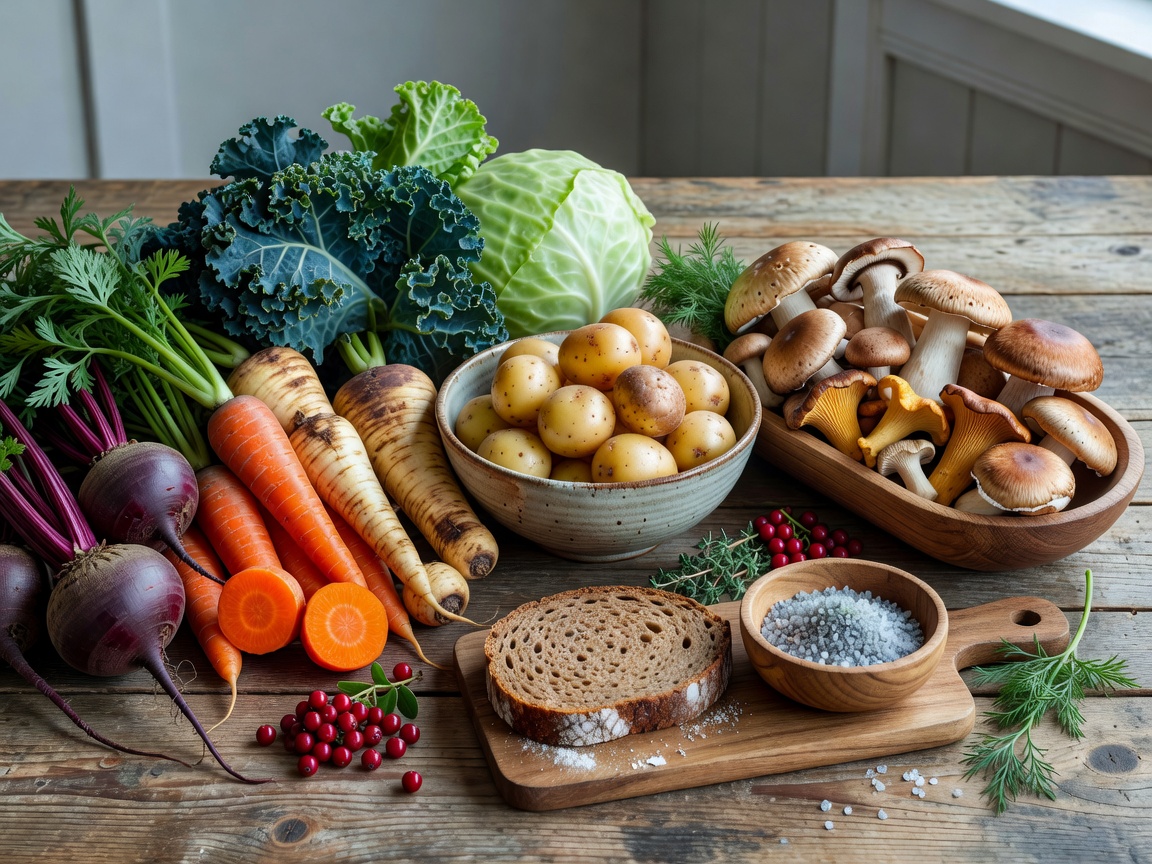
Breakfast is often the most practical food question when choosing a hotel. Check whether it’s included, served on site, available at the time you need it and suitable for your dietary requirements. Offerings vary, and the phrase “Nordic breakfast” doesn’t describe one fixed menu. You might encounter bread, dairy, grains, fruit, fish or local specialties, but the actual selection depends on the property, season and location. Confirm current details directly rather than relying on an old photograph or a general description.
Rye bread is important in several northern food traditions, while pastries, porridge, cheeses and preserves appear in different forms across the region. Berries, root vegetables and dairy can be part of seasonal or local cooking. These ingredients don’t appear on every menu, and sourcing claims deserve a little scrutiny: ask how a restaurant describes its approach instead of assuming “local” means the same thing everywhere.
Coast, inland and the wider north
Coastal towns in Norway, Denmark, Sweden, Finland and Iceland each sit within distinct fishing and food cultures. Seafood may be a natural thing to look for, but catch, season, menus and sourcing change. A coastal address doesn’t guarantee a particular dish. In inland areas, forest produce, grains, dairy and preserved foods may have a stronger role in regional cooking, depending on place and season.
Southern Scandinavia has its own agricultural and urban dining context, with Copenhagen, Malmö, Gothenburg and other cities offering varied cafés, bakeries and restaurants. In northern destinations such as Finnish Lapland, northern Sweden or Norway, climate, distance and seasonal supply can shape what’s available. Iceland’s island setting gives its food culture a distinctive context, while Reykjavík also offers a broad city dining scene. These regional sketches aren’t strict culinary borders; contemporary kitchens borrow ideas and ingredients across them.
“New Nordic” is a phrase often used for a modern approach that emphasizes seasonality, regional ingredients and culinary creativity. It’s an influence, not a guarantee of a particular restaurant style or quality. A memorable meal may be casual, traditional, contemporary or simply well matched to the day.
Hotel restaurant, neighborhood café or bakery?
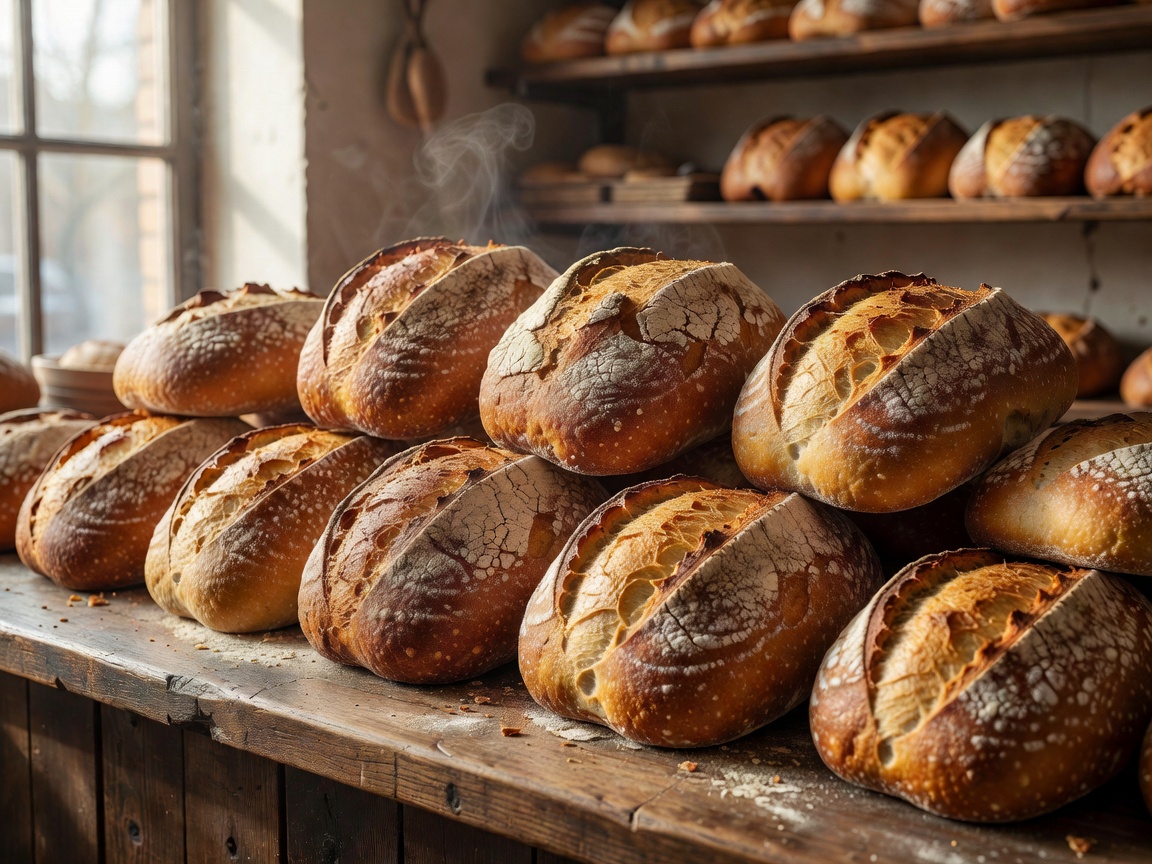
An on-site restaurant can make an evening easy, especially in a remote setting or when arriving late. Before you depend on it, check its current schedule and reservation needs directly. In a city, a hotel near a lively neighborhood may give you more choice outside the building. A local bakery is a lovely way to start a morning, but check access and opening information from current official sources. A hotel’s location, not only its own dining offer, determines how flexible your options feel.
Food context at a glance
Seafood and shifting seasons
Look for regional context, while remembering that menus and ingredient availability change.
Produce and preservation
Grains, dairy, root vegetables and seasonal ingredients may shape a meal in varied ways.
More choice, more planning
Cafés, bakeries and restaurants can broaden options; confirm current hours and reservations.
How food can shape your hotel choice
If dining is central to your trip, look at the surrounding area as carefully as the restaurant description. Consider whether you want a destination meal, casual neighborhood options or simple convenience after a long day outdoors. Ask whether breakfast can accommodate allergies or dietary needs and how the property handles cross-contact; a short email can be clearer than assumptions. For a remote hotel, find out how meals are arranged and whether you need to plan ahead.
Travelers with specific dietary requirements may find city locations offer more choice, but that’s not universal. Rural properties can provide an appealing sense of occasion while having fewer alternatives nearby. If a hotel promotes its own restaurant, confirm whether it will be operating during your dates. Seasonal menus naturally change, so avoid planning around a dish pictured in old material.
Advantages and trade-offs
Food-led travel can connect a stay to local routines, ingredients and makers. Breakfast can reduce morning logistics, while an on-site restaurant can be valuable in an isolated setting. The trade-offs are that hotel dining may be limited or unavailable on certain days, and a remote setting may mean fewer alternatives. Food descriptions, menus and service arrangements can change; ask the venue directly for current information, including allergen and accessibility details.
Good for
- Travelers who enjoy bakeries, markets, regional food and a slower breakfast.
- Guests choosing between a city base and a remote, meal-focused retreat.
- People who want to understand the food context of a destination before booking.
What to know
- There is no single standard Nordic breakfast or regional menu.
- Menus, prices, opening arrangements and sourcing practices can change.
- Contact hotels and restaurants directly about dietary requirements and current service.

FOOD, HOTEL OR DESTINATION QUESTION?
Tell us what you’re curious about.
We welcome editorial corrections and practical questions. We don’t take restaurant or hotel bookings.